
In 2026, global migration is no longer just about moving abroad—it is about choosing the right legal status for your future. For Indians planning to settle overseas, the most critical decision often comes down to understanding the difference between Permanent Residency (PR) and Citizenship. While both allow long-term stay in a foreign country, the legal rights, responsibilities, and long-term implications are fundamentally different. Many applicants mistakenly assume PR and citizenship offer similar benefits, but from a legal and immigration perspective, this is not accurate. At Just and True Immigration Law and Services, our top immigration lawyers regularly advise clients that choosing between PR and citizenship is not just a paperwork decision—it is a life decision involving identity, nationality, rights, and long-term security. With changing immigration rules in 2026 across countries like Canada, Australia, New Zealand, the UK, and Europe, understanding this distinction has become more important than ever for Indian professionals, students, families, and business migrants
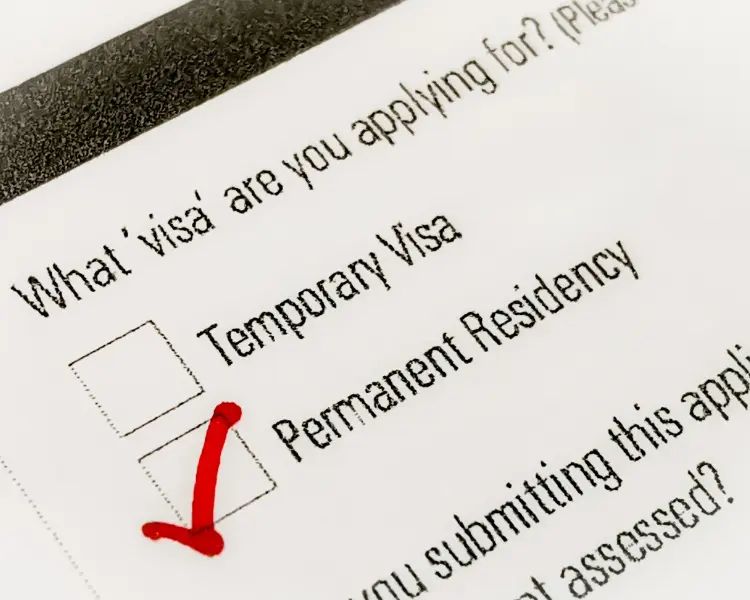
Understanding Permanent Residency (PR) in 2026
Permanent Residency, commonly known as PR, is a legal immigration status that allows a foreign national to live, work, and study in another country for an unlimited period, subject to compliance with residency rules. PR is often considered the best option for Indians who want stability abroad while retaining their Indian citizenship. In 2026, PR remains the most popular immigration goal because it provides long-term security without requiring a complete surrender of national identity.
From an immigration law perspective, PR sits between temporary visas and citizenship. It offers strong rights, including access to employment, healthcare, education, and social benefits, but it does not provide full political participation. PR holders cannot vote in national elections, hold certain government jobs, or enjoy absolute protection from deportation. Another key legal aspect of PR is that it must be renewed periodically, usually every five to ten years, depending on the country.
PR is especially attractive to Indian migrants because it allows them to maintain strong ties with India. Indian passport holders with PR can travel freely between India and the host country, manage family responsibilities, and retain property and inheritance rights in India without restrictions. However, PR also comes with legal obligations. Most countries require PR holders to maintain minimum physical presence to keep their status valid. Failure to meet these residency obligations can result in PR cancellation, which is a risk many applicants underestimate.
At Just and True Immigration Law and Services, our best immigration lawyers often advise PR as a strategic first step for clients who want flexibility, career growth, and long-term options without making an irreversible commitment.
Understanding Citizenship and Its Legal Impact on Indians
Citizenship represents the highest level of legal integration into a foreign country. Unlike PR, citizenship grants full political, civil, and social rights, making the individual a complete legal member of the country. In 2026, citizenship remains a powerful status because it offers lifetime security, unrestricted rights, and a strong national passport with global mobility.
From an immigration law standpoint, citizenship differs fundamentally from PR because it does not require renewal and provides near-total protection from deportation. Citizens can vote, contest elections, hold public office, work in sensitive government positions, and access all state benefits without limitation. Citizenship also provides stronger diplomatic protection when travelling or residing abroad.
However, for Indians, citizenship comes with a major legal consequence. India does not allow dual citizenship. This means that when an Indian national acquires foreign citizenship, they must legally surrender their Indian citizenship and passport. This emotional and legal transition is often the most difficult part of the decision-making process. Although Overseas Citizen of India (OCI) status allows lifelong visa-free travel to India, it does not replace citizenship rights such as voting or holding public office in India.
Citizenship is best suited for individuals who see their future permanently rooted in another country, with minimal long-term dependence on India. Families with children settled abroad, professionals aiming for government or public-sector roles, and individuals seeking maximum travel freedom often prefer citizenship. At Just and True Immigration Law and Services, our top immigration lawyers guide clients through this transition carefully, ensuring they fully understand both the benefits and the legal consequences.
PR vs Citizenship in 2026: A Detailed Legal Comparison
Basis of Comparison | Permanent Residency (PR) | Citizenship |
Legal Status | PR provides long-term legal residence but remains a conditional immigration status governed by renewal rules and compliance requirements. | Citizenship grants complete and permanent legal membership of a country with no renewal obligations. |
Duration & Security | PR can be retained indefinitely, but only if residency conditions are continuously met. Failure may lead to cancellation. | Citizenship offers lifetime security and cannot be revoked under normal immigration circumstances. |
Political Rights | PR holders are not allowed to vote, contest elections, or participate in national political processes. | Citizens have full political rights, including voting, contesting elections, and holding public office. |
Deportation Risk | PR holders may face deportation in cases of serious legal violations or failure to meet residency obligations. | Citizens are almost entirely protected from deportation under immigration law. |
Passport & Travel | PR holders travel using their Indian passport along with PR documentation, which may limit visa-free access. | Citizens receive the country’s passport, offering stronger global mobility and visa-free travel benefits. |
Connection with India | PR allows individuals to retain Indian citizenship, passport, and full civic rights in India. | Citizenship requires surrender of Indian citizenship, as dual nationality is not permitted under Indian law. |
Employment Scope | PR holders can work freely but may be restricted from certain government or sensitive positions. | Citizens can work in all sectors, including government and security-related roles. |
Social Benefits | Access to healthcare, education, and social benefits is available but may vary by country and duration of stay. | Full and unrestricted access to all public benefits and social security systems. |
Long-Term Settlement | Ideal for those seeking flexibility and long-term stay without permanently cutting ties with India. | Best suited for those fully committed to permanent settlement and integration into one country. |
Legal Finality | PR is a strong but reversible immigration status. | Citizenship is the final and irreversible step in the immigration journey. |
Choosing Between PR and Citizenship with the Best Immigration Lawyers
Deciding between PR and citizenship in 2026 is not about which status is “better” universally—it is about which status is better for you. PR is ideal for individuals who want long-term stability without losing Indian citizenship, especially those who frequently travel to India or are still evaluating permanent settlement abroad. Citizenship is more suitable for individuals who want complete legal certainty, full rights, and a permanent future in another country without administrative renewals.
At Just and True Immigration Law and Services, our best immigration lawyers take a personalized, legally precise approach to this decision. We evaluate career goals, family structure, tax exposure, residency obligations, and long-term settlement plans before advising whether PR or citizenship is the right path. Immigration laws are becoming stricter and more complex in 2026, and making the wrong decision without proper legal guidance can lead to status loss, delays, or irreversible consequences.
Conclusion
PR offers flexibility, continuity with India, and strong rights with conditions. Citizenship offers permanence, full legal membership, and global mobility at the cost of surrendering Indian nationality. Both are powerful immigration outcomes when chosen wisely. With the right legal advice from top immigration lawyers, you can make a decision that secures not just your visa status, but your future.
Just and True Immigration Law and Services remains committed to providing clear, lawful, and strategic immigration guidance for Indians worldwide—because your future deserves nothing less than the best.
Contact
Just & True Immigration Law & Services Phone: 9657500008
Website: https://justandtrueimmigration.com