Singapore has introduced a significant shift in its immigration enforcement strategy in May 2026, moving from traditional border checks to pre-departure screening and stricter compliance controls. Led by the Immigration and Checkpoints Authority, these changes are designed to enhance national security, reduce misuse of visas, and ensure that only genuine and fully compliant travellers are allowed to enter the country.
This is not just a policy update—it’s a structural change in how immigration control works. If you’re planning to travel, study, or work in Singapore, understanding these updates is now essential.
🔹 Pre-Departure Screening: A Major Policy Shift
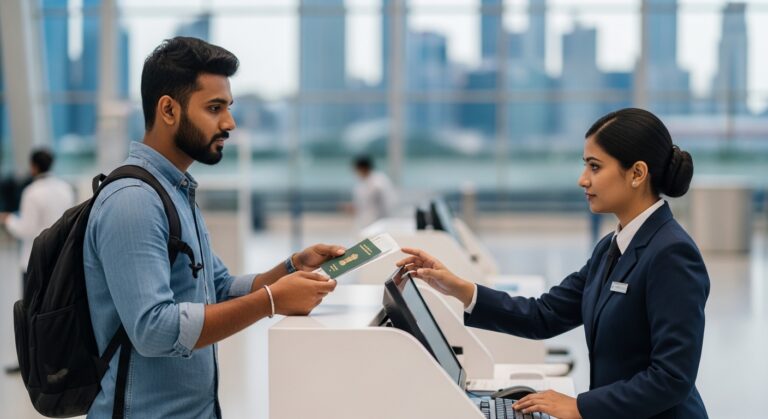
The most important development in 2026 is the introduction of pre-departure enforcement measures, meaning immigration checks now begin before you even board your flight.
Under the new system:
- Airlines may receive No Boarding Directives (NBD) from authorities
- Passengers flagged as high-risk can be denied boarding at the airport itself
- Applies to travellers with:
- Incomplete documentation
- Unclear travel purpose
- Risk indicators in their profile
👉 This represents a clear move toward “upstream immigration control”, where decisions are made before arrival rather than at the checkpoint.
📌 Practical Impact:
Even if you hold a valid visa, you may still be stopped from boarding if your documentation or intent does not meet current standards.
🔹 Surge in Entry Rejections (2026 Data Insight)
Singapore has also reported a sharp increase in entry refusals during early 2026.
- Over 45,000 travellers denied entry
- Approximately 38% increase compared to previous periods
This rise reflects stricter enforcement across multiple areas:
- Invalid or incomplete visa documents
- Suspicious or inconsistent travel intent
- High-risk traveller profiling
👉 Authorities are now combining data analytics, travel history, and documentation checks to make faster and more accurate decisions.
🔹 Visa Rules Tightened: Non-Transferable Policy
Another important update is related to visa validity and passport changes.
- Singapore visas are now strictly non-transferable
- If you renew or change your passport:
👉 You must apply for a new visa
📌 Previously, some flexibility existed in linking visas to new passports. That is no longer accepted.
👉 This change reinforces identity verification standards and reduces the risk of document misuse.
🔹 Work Pass Update: Increased Salary Threshold
Singapore has also updated its foreign workforce policy, particularly impacting employers and applicants.
- Local Qualifying Salary (LQS) increased to SGD 1,800
This affects:
- Eligibility for hiring foreign workers
- Employer compliance requirements
- Workforce cost structures
👉 The goal is to ensure fair wage standards and maintain a balanced labour market.
🔹 Citizenship & PR: Controlled Intake Strategy
Singapore continues to maintain a highly selective immigration system for long-term residency and citizenship.
- Approx. 25,000–30,000 citizenship approvals per year
- Around 40,000 Permanent Residence (PR) approvals annually
Priority is given to:
- Skilled professionals
- Economically active individuals
- Applicants with strong integration potential
👉 This reflects Singapore’s long-term strategy of quality over quantity in population growth.
🔹 Health & Travel Advisory (Regional Risk Monitoring)
In addition to immigration controls, travellers must also be aware of health-related entry considerations.
- Authorities are monitoring regional health risks such as the
Nipah virus - Additional checks may apply based on:
- Country of origin
- Recent travel history
- Health declarations
👉 This adds another layer of screening beyond documentation and visa status.
⚖️ Practical Insight: What This Means for Travellers
Singapore’s 2026 immigration model is now built on zero-tolerance compliance and early risk detection.
✔ Screening begins before departure, not at arrival
✔ Airlines play an active role in immigration enforcement
✔ Documentation, intent, and profile must be fully aligned
🚫 Key Risk
- A valid visa does not guarantee travel approval
- Incomplete or inconsistent information can lead to:
- Denied boarding
- Entry refusal
- Future travel complications
✔️ Final Advice for Applicants & Travellers
To avoid issues under the new system:
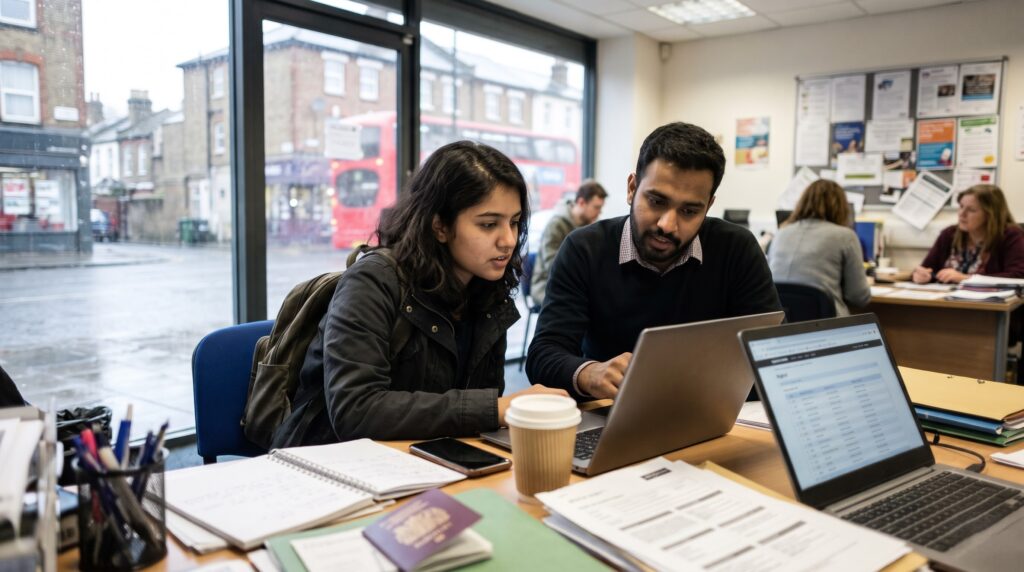
- Double-check all documents before travel
- Ensure your travel purpose is clear and consistent
- Keep updated with latest immigration and health advisories
- Avoid last-minute applications or incomplete submissions
🧾 Final Insight
Singapore’s May 2026 immigration update clearly signals a shift toward proactive enforcement, digital screening, and strict compliance.
👉 The message is simple:
If your profile, documents, and intent are not fully aligned—your journey may stop before it even begins.