Singapore continues to refine its immigration and workforce policies, reinforcing its position as one of Asia’s most regulated and efficient destinations for international talent, business, and travel. Recent changes introduced in June 2026 reflect the country’s growing focus on security, compliance, digital border management, and workforce quality.
Whether you’re planning to visit Singapore, work there, or hire foreign professionals, understanding these updates has become increasingly important.
Stricter Travel Screening Before Departure
One of the most noticeable changes affects international travellers before they even board their flight.
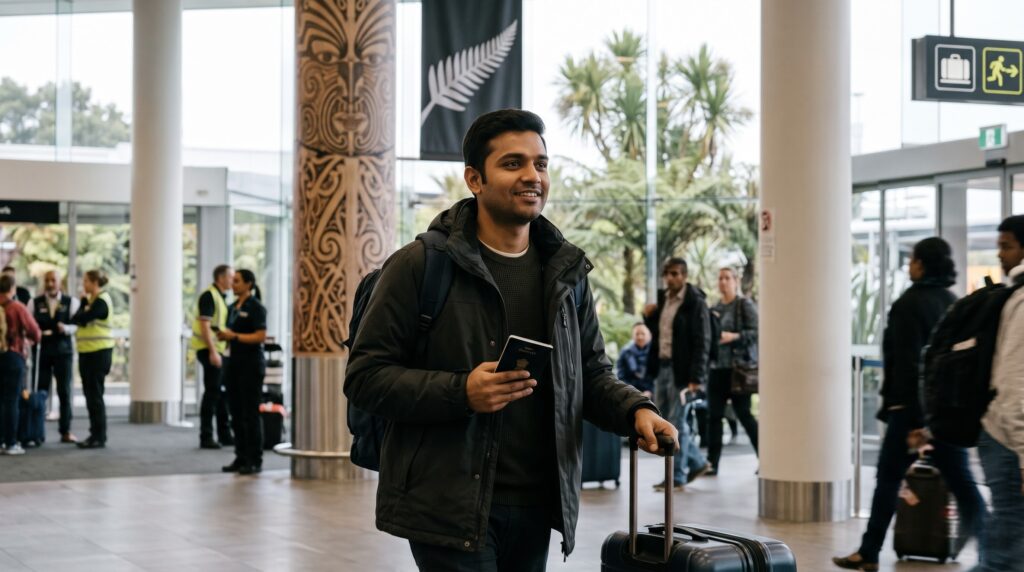
Airlines are now conducting more rigorous pre-departure checks to ensure passengers meet Singapore’s entry requirements before departure. Travellers with incorrect passport information, visa issues, or incomplete travel declarations may face boarding delays or even be denied boarding.
A key requirement remains the SG Arrival Card, which must be submitted online within three days before arrival. Even minor errors in personal information or travel details can create complications during the travel process.
As Singapore shifts more immigration controls to the pre-departure stage, travellers are encouraged to carefully review all documentation before flying.
Advanced Facial Recognition at Immigration Checkpoints
Singapore is also accelerating its move toward a fully digital border clearance system.
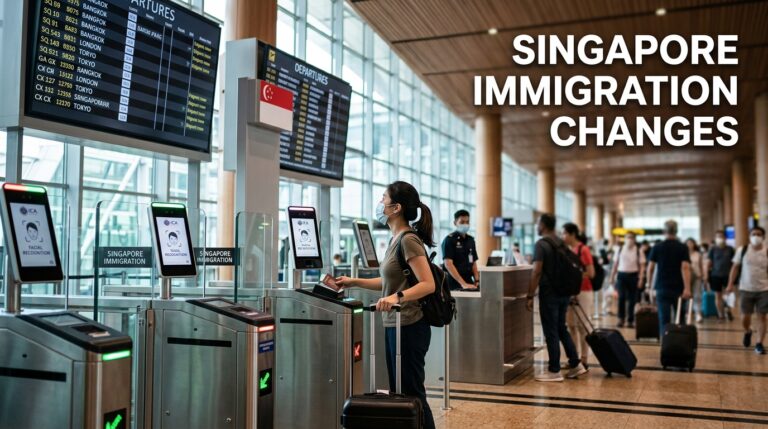
Facial recognition technology is now being used more extensively across airports, seaports, and land checkpoints. Instead of relying solely on traditional passport inspections, biometric verification is becoming the primary method of confirming traveller identity.
The objective is to improve security while reducing waiting times and creating a smoother arrival experience for visitors and residents alike.
This technology-driven approach reflects Singapore’s broader strategy of building one of the world’s most advanced immigration and border management systems.
Changes Affecting Foreign Workers and Employers
Important workforce-related changes have also come into effect.
As of 1 June 2026, Singapore has stopped accepting new applications under the Work Permit (Performing Artiste) scheme. The move is part of ongoing efforts to strengthen workforce regulations and improve oversight within specific employment sectors.
At the same time, employers hiring foreign professionals are being encouraged to invest more heavily in local workforce development. Businesses are increasingly expected to implement structured knowledge-transfer initiatives and succession planning programs to support the long-term growth of local talent.
These measures demonstrate Singapore’s commitment to maintaining a balanced workforce strategy that combines international expertise with local talent development.
Future Employment Pass Changes on the Horizon
Looking ahead, additional changes are expected for Employment Pass (EP) applicants.
From January 2027, the minimum qualifying salary for new Employment Pass applications is expected to increase. The adjustment aligns with Singapore’s ongoing objective of attracting highly skilled professionals who can contribute meaningfully to the country’s economic development.
For prospective applicants, strong qualifications, specialised skills, and relevant professional experience will continue to play an increasingly important role in securing work opportunities.
Long-Term Opportunities Remain Strong
Despite stricter compliance measures and higher standards, Singapore remains highly attractive for global professionals, entrepreneurs, and international students.
The country continues to offer pathways toward Permanent Residency and citizenship for individuals who demonstrate long-term economic contribution, professional expertise, and integration into Singaporean society.
Its stable economy, world-class infrastructure, business-friendly environment, and strong employment market continue to make it one of the most desirable destinations in the region.
Final Thoughts
Singapore’s latest immigration updates reflect a clear direction: stronger compliance, smarter technology, and a greater focus on attracting high-quality talent.
For travellers, this means ensuring documentation is accurate before departure. For workers, it means preparing stronger professional profiles. For employers, it means aligning recruitment strategies with evolving workforce policies.
While the system is becoming more selective, opportunities remain strong for those who plan carefully and meet the country’s increasingly sophisticated immigration standards.
Proper preparation, accurate documentation, and a clear understanding of immigration requirements will be key to success in Singapore’s evolving immigration landscape.