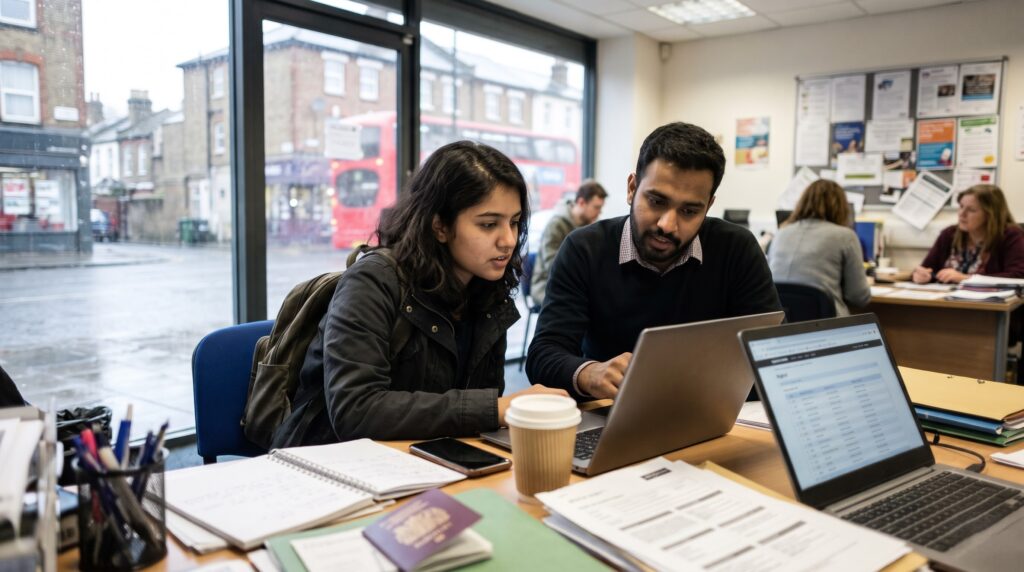
Germany continues to strengthen its educational and mobility ties with India, and Indian students interested in short-term academic exposure may benefit from an important visa-fee exemption.
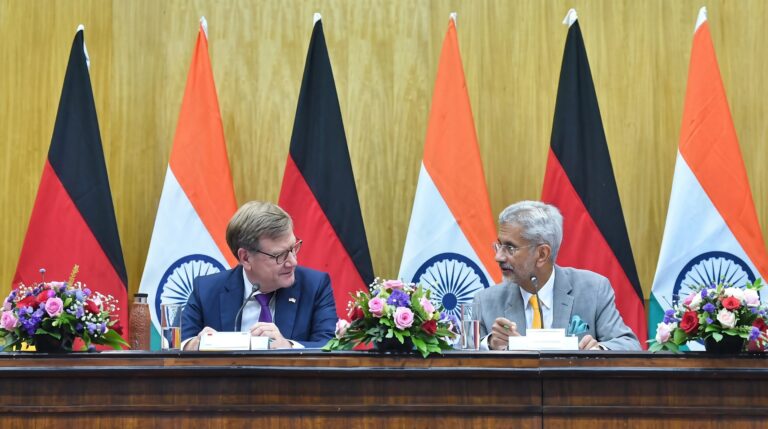
During discussions between Indian External Affairs Minister Dr. S. Jaishankar and German Federal Foreign Minister Johann Wadephul in New Delhi on 3 September 2025, India and Germany agreed on gratis visas for short-term school and college visits to further promote student exchanges. The announcement formed part of wider discussions on education, science and innovation, mobility and the India–Germany Strategic Partnership.
The measure is particularly relevant for students travelling to Germany for eligible educational activities rather than for long-term university study.
It is also important to understand what “gratis visa” actually means. It refers to a visa for which the applicable visa fee is waived. It does not mean that every Indian student can travel to Germany without a visa or without meeting the normal immigration and documentation requirements.
The German Missions in India currently state that certain categories of school pupils, students, postgraduate students and accompanying teachers undertaking stays for study or educational training can receive a gratis Schengen visa, subject to the applicable rules and assessment of the individual application.
What Is the India–Germany Gratis Visa Initiative?
The announcement is aimed at facilitating short-term academic mobility between India and Germany.
For eligible applicants, removing the visa fee can make educational visits more affordable, particularly where schools, colleges or educational institutions organise group programmes.
The initiative is connected to the broader objective of strengthening people-to-people and academic ties between the two countries.
India and Germany already have significant educational cooperation. Bilateral initiatives have supported student mobility, research collaboration, academic networks and exchanges between institutions. The two countries have also expressed their intention to expand cooperation involving higher education, research and academic mobility.
In simple terms:
If an Indian student is travelling to Germany for an eligible short-term educational purpose, the applicable visa fee may be waived.
However, the student still needs the appropriate visa, supporting documents and approval from the German authorities.
Who Can Benefit From the Gratis Visa?
The announcement specifically refers to short-term school and college visits.
The German Missions’ current Schengen visa guidance provides additional clarity by listing categories that can receive a gratis visa, including:
- School pupils travelling for study or educational training
- Students undertaking eligible educational stays
- Postgraduate students undertaking qualifying educational activities
- Accompanying teachers
- Certain researchers travelling for qualifying scientific research or seminars/conferences
The exact eligibility depends on the purpose and circumstances of the trip and is ultimately determined by the German visa authorities.
Therefore, students should not assume that simply being enrolled in an Indian school or college automatically makes their visa free.
The purpose of travel and supporting documentation are important.
What Types of Academic Visits Could Be Relevant?
The policy is particularly relevant to short-duration educational mobility.
1. Student Exchange Programmes
Students participating in eligible exchange initiatives between Indian and German educational institutions may benefit from the fee exemption.
Exchange programmes can provide students with an opportunity to experience another education system, interact with international peers and gain exposure to different academic and cultural environments.
2. School and College Educational Visits
Faculty-led educational tours and organised academic visits can be particularly relevant.
For example, a group of students travelling to Germany to visit educational institutions or participate in a structured academic programme may fall within the type of short-term educational travel contemplated by the initiative, provided the applicable requirements are met.
3. University and Institutional Visits
Students may also travel for eligible short-duration academic activities involving universities or other educational institutions.
Such visits can help students explore international academic environments before considering longer-term educational options.
4. Short-Term Research Activities
Germany is a major destination for international research and academic collaboration.
Eligible researchers and students travelling for qualifying scientific research or educational purposes may also have access to fee exemptions under the applicable Schengen rules. The German Missions specifically list qualifying researchers among categories that can receive a gratis visa.
5. Summer Schools and Academic Programmes
Short-duration academic programmes, including certain summer schools and educational training activities, may also be relevant where the applicant and programme meet the applicable visa-exemption criteria.
However, applicants should verify the exact classification of their programme before assuming that the visa fee will be waived.
Is the Germany Visa Completely Free?
This is where students need to be careful.
A gratis visa does not mean that the entire trip to Germany is free.
It primarily refers to the visa fee being waived.
Students may still have expenses such as:
- Flight tickets
- Travel or medical insurance, where required
- Accommodation
- Food and local transportation
- Programme or tuition charges, if applicable
- Document preparation and translation costs
- Other applicable service or administrative charges
The German Missions in India also clarify that VFS service charges may still apply, even where the visa itself is ultimately issued without a visa fee. The visa section determines whether the visa qualifies for the fee exemption.
Therefore, students should not interpret “gratis visa” as “zero-cost travel to Germany.”
Is This a Free Visa for Studying in Germany?
No.
This is probably the most important distinction for Indian students.
The India–Germany agreement concerns short-term school and college visits intended to promote student exchanges. It should not be confused with a waiver of the visa fee for students moving to Germany for a full-time Bachelor’s, Master’s or PhD programme.
For stays of more than 90 days, applicants generally require a German National Visa (D visa). The German Missions in India currently state that the national visa fee is €75 for adults and €37.50 for applicants under 18, subject to the applicable rules.
Students intending to pursue a full-time degree in Germany must therefore follow the appropriate student-visa process.
The German Missions also explain that Indian applicants who have completed schooling, university semesters or degrees in India will generally require an APS certificate for university admission, subject to specified exemptions.
Therefore:
Short academic visit:
A qualifying applicant may receive a gratis visa, meaning the visa fee can be waived.
Full-time Bachelor’s/Master’s/PhD:
The applicant must follow the applicable long-term student-visa procedure and meet the relevant requirements.
Why Is This Important for Indian Students?
The significance of the measure goes beyond simply saving a visa fee.
1. Lower Financial Barrier
For schools, colleges and students organising short academic visits, visa fees are one of several costs involved in international travel.
A fee waiver can reduce the overall cost of participating in an educational exchange.
2. Encourages Student Mobility
Short-term international exposure can be an important first step towards stronger academic cooperation.
Students can experience German universities, interact with international students and understand how higher education operates in Germany.
3. Strengthens India–Germany Education Ties
The visa facilitation measure fits into a wider relationship between India and Germany involving education, science, research, innovation and mobility.
The two countries have previously established frameworks for cooperation in areas including student and researcher mobility and academic collaboration.
4. Creates International Exposure
Short academic visits can give students exposure to international classrooms, research environments and new academic perspectives without requiring them to immediately commit to a multi-year overseas degree.
What Documents May Students Need?
The exact documentation depends on the purpose of travel and the applicable visa category.
For an academic or educational visit, applicants should generally expect to demonstrate the genuine purpose of the trip and provide supporting evidence from the relevant educational institutions.
Depending on the circumstances, this may include:
- Valid passport
- Completed visa application
- Proof of enrolment at the Indian educational institution
- Invitation or confirmation from the German institution
- Details of the exchange or academic programme
- Travel itinerary
- Accommodation details
- Proof of financial means, where applicable
- Travel medical insurance, where required
- Consent documents for minors, where applicable
- Other documents requested by the German Missions
Applicants should always use the latest checklist issued by the German Missions in India, because documentation requirements can change according to the visa category and individual circumstances.
Does a Gratis Visa Guarantee Entry Into Germany?
No.
A visa fee exemption does not guarantee that a visa will be issued.
The applicant must still satisfy the applicable requirements, and the German visa authorities retain the authority to assess the application.
The German Missions explicitly state that only the visa section determines whether an application qualifies for a fee waiver. Applicants may initially receive a VFS receipt, with the visa authorities determining whether the visa should ultimately be issued as gratis.
Students should therefore treat the fee exemption and visa approval as two separate issues.
What Indian Students Should Know Before Applying
Before making travel arrangements, students should consider the following:
Check the purpose of travel
The trip should genuinely fall within an eligible educational or academic category.
Confirm the visa category
A short visit and a full-time degree programme are treated differently under German immigration rules.
Do not assume “free” means “visa-free”
The term gratis visa generally refers to a waived visa fee. Indian passport holders still require the appropriate visa for Germany.
Check the latest requirements
Visa rules, fees, application procedures and document checklists can change.
Apply with proper supporting documents
A clear invitation, programme details and evidence of the academic purpose can be important in demonstrating why the applicant is travelling.
India–Germany Student Mobility: A Step Towards Greater Academic Cooperation
The gratis visa arrangement should be viewed as part of a broader effort to strengthen India–Germany academic and student mobility.
Germany has become an increasingly important destination for Indian students, while bilateral cooperation extends beyond traditional degree programmes into research, innovation and institutional partnerships.
For students, short-term academic exchanges can provide a practical opportunity to gain international exposure before deciding whether to pursue longer-term education abroad.
The visa-fee exemption can therefore be meaningful not because it eliminates all travel expenses, but because it removes one financial barrier to eligible educational visits.
Final Takeaway
The India–Germany agreement on gratis visas for short-term school and college visits is a positive development for academic mobility between the two countries.
For eligible students participating in exchange programmes, educational visits and other qualifying short-term academic activities, the waiver of the visa fee can help reduce the cost of international educational exposure.
But students should not mistake this development for a free Germany student visa for full-time Bachelor’s, Master’s or PhD programmes.
The distinction is crucial:
Short-term eligible academic visit → visa fee may be waived.
Full-time degree programme → appropriate long-term student visa and applicable requirements still apply.
As visa rules and implementation procedures can change, students should verify their eligibility, documentation and current application procedure directly with the German Missions in India before making travel arrangements.